Philodassiki at the EUROPARC Conference 2025
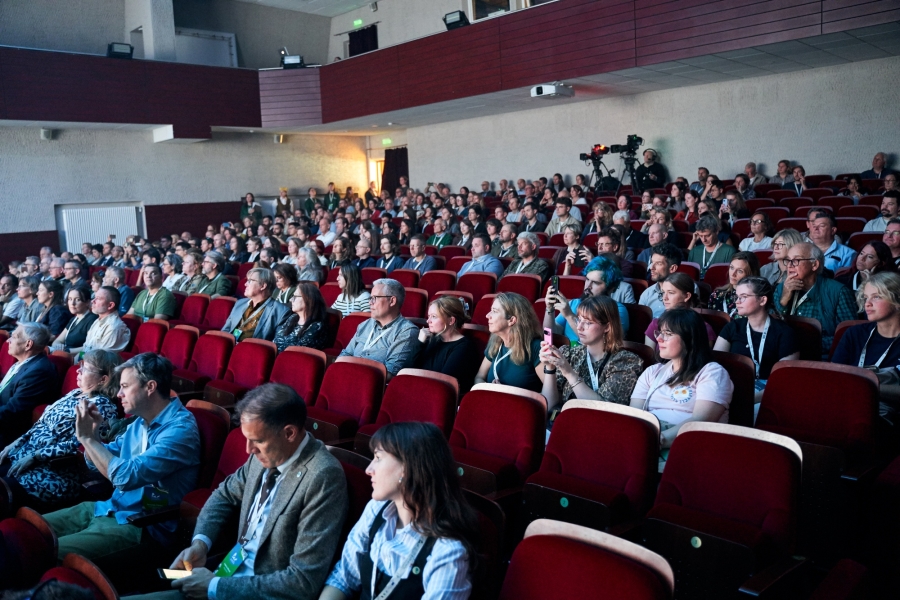
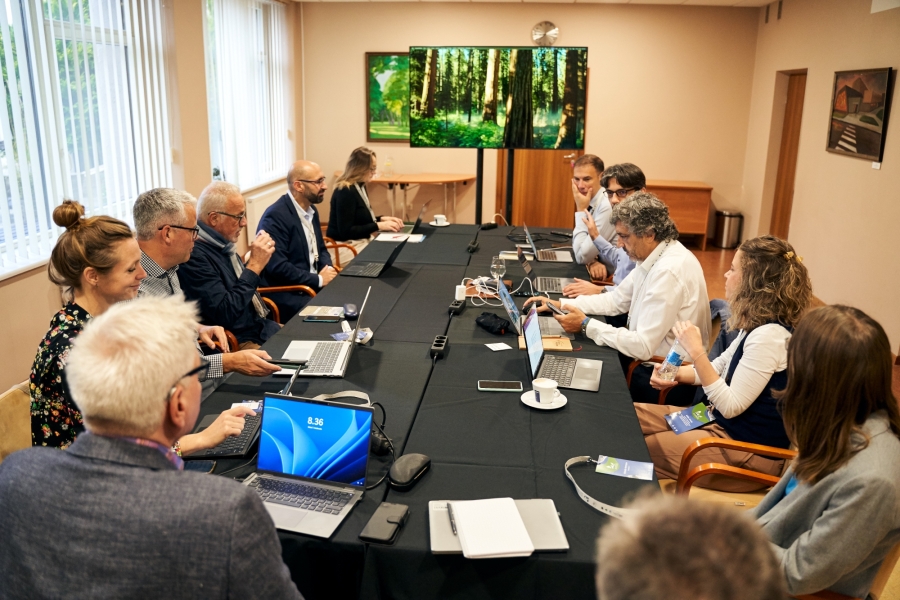
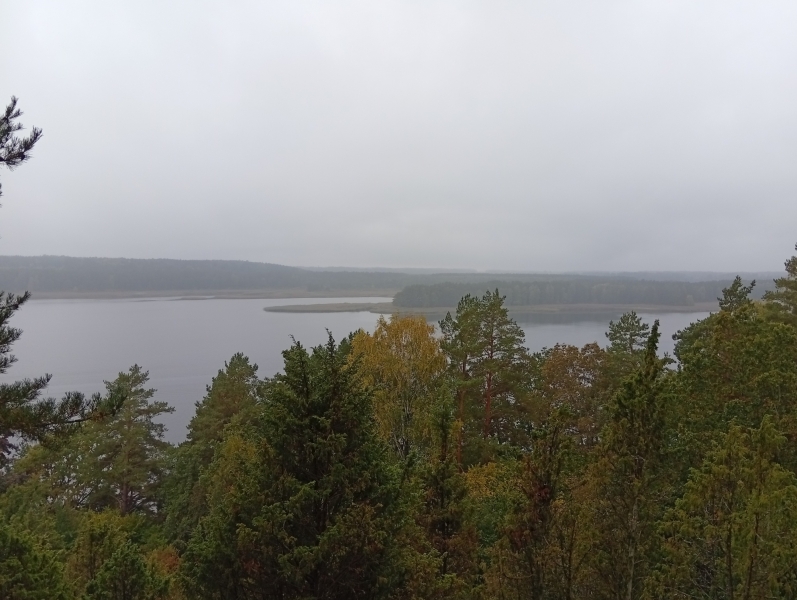
In early October, the EUROPARC Federation Conference—the Federation of Protected Areas of Europe—was held in the town of Birštonas, Lithuania, at the heart of the Nemunas Loops Regional Park. The conference was organized by the General Directorate of Protected Areas of the Lithuanian Ministry of Environment. Exceptionally well organized, the four-day event (7–10 October) brought together 406 participants from across Europe, representing 37 countries.
Representing the Philodassiki Society of Athens, a member of EUROPARC, was Dr. Nikos Pangas, who has served on the EUROPARC Board of Directors since 2021.
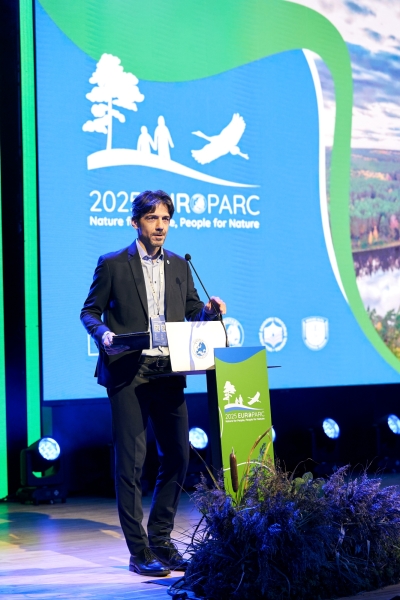
The overarching theme of the conference was “Nature for People, People for Nature.” Presentations, workshops, and discussions focused on nature restoration, the relationship between people and nature, and our shared responsibility to protect ecosystems for future generations. Through social, economic, and practical perspectives, participants explored how protected areas can contribute to large-scale nature restoration while safeguarding biodiversity. Keynote speakers emphasized that protecting and restoring nature is a collective responsibility that requires cooperation and joint action for the future of our planet.
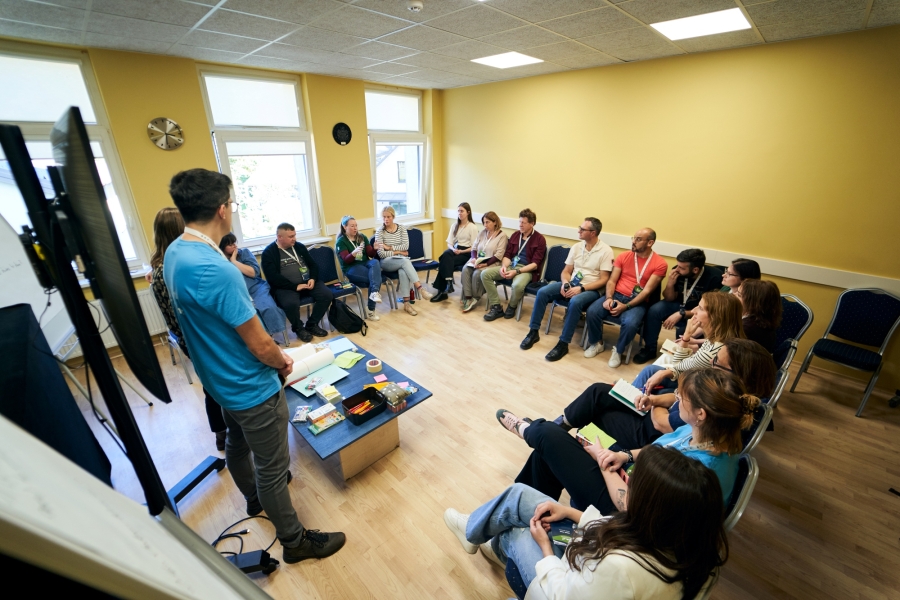
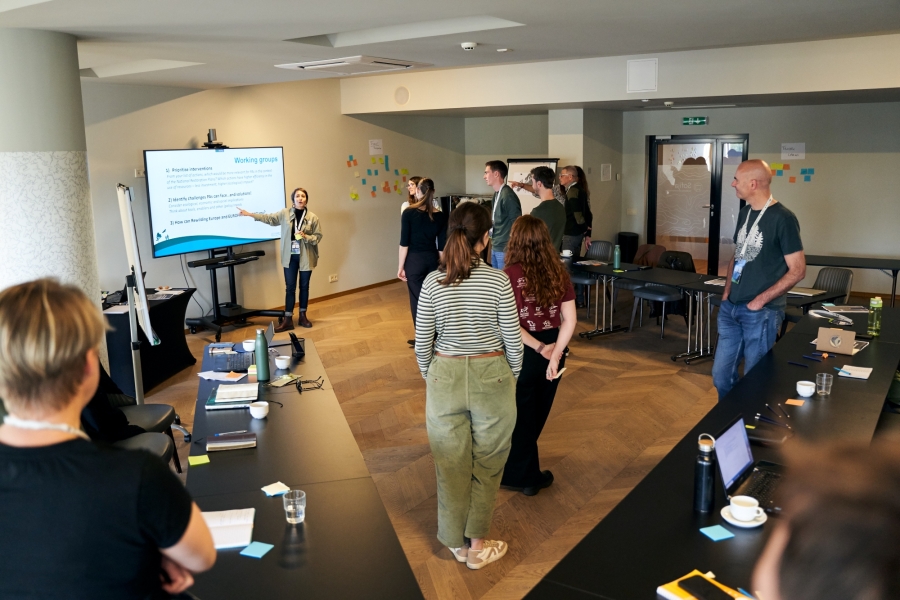
The conference included 15 thematic workshops, centered on nature restoration, reflecting the recent implementation of the EU Nature Restoration Regulation. Sessions highlighted landscape restoration, youth engagement, building trust with local communities, creative communication, and innovative funding approaches. A shared understanding emerged: effective restoration begins with strengthening the connections between people and nature, communities and landscapes, and ideas across borders.
One of the workshops was organized by the Periurban Parks Commission (Fedenatur / EUROPARC Periurban Commission), chaired by Dr. Pangas. The workshop, entitled “Rethinking Nature Restoration in Periurban Parks: perceive / understand / inspire / process / propose / act,” attracted broad participation from across Europe and provided a valuable forum for the exchange of perspectives and experiences.
As part of the conference program, 10 one-day field excursions were organized to protected areas across Lithuania, including wetlands, rivers, forests, historic landscapes, and UNESCO World Heritage sites. During these visits, site managers guided participants through examples that highlighted the connection between nature, culture, and communities, showcasing local restoration initiatives, sustainable tourism practices, and creative local partnerships.
Over the four days of the conference, participants had the opportunity to connect with colleagues, establish new professional relationships and collaborations, exchange ideas and experiences, and gain insights into the diverse challenges and opportunities facing protected area management across Europe.
Key Conclusions of the Conference:
1. People and Nature – A Relationship of Mutual Dependence
Human well-being depends on a healthy environment. Nature restoration must integrate ecological, social, and cultural dimensions, strengthening education, emotional connection, and community participation.
2. From Policy to Action
Effective restoration requires cross-sector collaboration among communities, businesses, scientists, and young people. Environmental restoration must become a shared societal effort.
3. Connection Through Experiences and Stories
To address indifference toward nature loss, emotional bonds with nature must be renewed through art, storytelling, and direct experience.
4. Innovation and Technology for Nature
New approaches—from in situ monitoring to satellite data, artificial intelligence, and “nature guardians”—demonstrate that conservation is entering a technology-supported era.
5. Inclusion and Accessibility for All
Nature must be open and accessible to everyone, fostering solidarity and shared responsibility for its future.
More information about the conference is available here.
The Honorary Award to Maria Martí Viudes
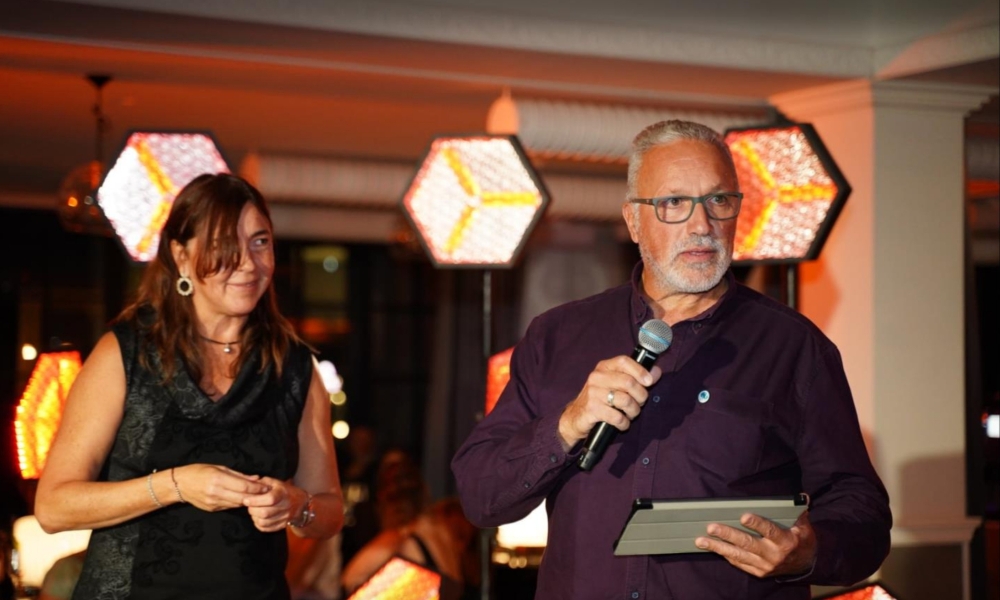
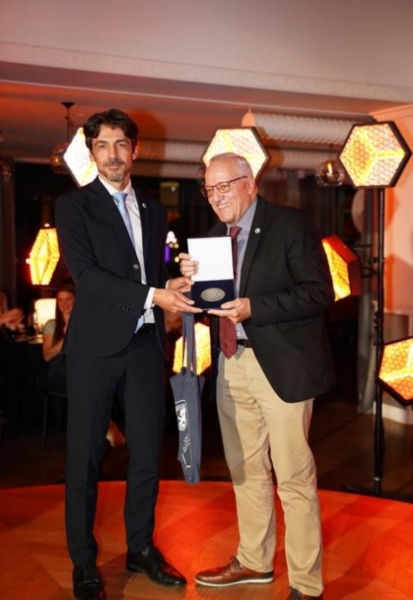
During the conference, Maria Martí Viudes was awarded the Alfred Toepfer Foundation Medal* for 2025, in recognition of his role as a “guardian” of periurban nature across Europe. The announcement was made in a packed auditorium with great emotion by Dr. Nikos Pangas, who succeeded the awardee on the EUROPARC Board, and Teresa Pastor Ramos, both of whom worked closely with M. Martí for many years within FEDENATUR.
For more than 28 years, as head of the management authority of the Collserola Natural Park, Maria Martí Viudes was closely associated with the conservation of the vast green lung that borders the city of Barcelona to the west. Through his efforts, the park developed into a place where people and nature coexist harmoniously, balancing ecological protection with public enjoyment.
Guided by a vision of a prudent management with many innovative elements, Collserola has become a model periurban park and a benchmark for how nature and urban life can coexist sustainably. M. Martí successfully ensured that conservation goals were aligned with the park’s role as a recreational space, delivering invaluable benefits to the well-being of Barcelona’s residents. His collaborative approach fostered dialogue between ecology and urban planning, helping to build bridges between citizens and nature, and between policy and practice.
M. Martí’s influence extends far beyond Collserola Park. As a founding member and long-serving Secretary General of FEDENATUR (the European Federation of Periurban and Metropolitan Natural and Rural Areas), he played a central role in shaping Europe’s understanding of periurban nature conservation.
Recognizing the unique pressures faced by periurban natural areas—from urbanization to habitat loss—he tirelessly advocated for their recognition within European environmental policy. His leadership helped transform FEDENATUR into a collaborative network of park managers, scientists, and policymakers sharing knowledge and solutions across Europe. In 2017, FEDENATUR merged with EUROPARC, ensuring that periurban parks became an integral part of Europe’s protected areas network. The permanent EUROPARC Periurban Parks Commission and its representative on the Board provide a unified voice for periurban parks within the network.
Finally, M. Martí’s efforts reached the international level through the International Union for Conservation of Nature (IUCN), where he successfully promoted the recognition of periurban and metropolitan parks as “vital components of global conservation.” His leadership was instrumental in the adoption of IUCN Resolution 4.128: “Establishment of networks of protected urban and periurban natural areas.”
*The Alfred Toepfer Foundation Medal, awarded by the Board of the EUROPARC Federation, honors individuals who have made outstanding contributions to the protection and management of Europe’s natural heritage. The medal is named after Alfred Toepfer, who played a key role in founding EUROPARC in 1973.
Photos: EUROPARC & Nikos Pangas